5 Gin-Based Cocktails
Five gin cocktails — Last Word, Aviation, Singapore Sling, Ramos Gin Fizz, and Martinez — with notes on Barr Hill, Green Hat, and Botanist gins, and a rule: the weakest ingredient sets the bar.
“The important thing to remember is that gin is a flavored spirit. Without flavoring, it would not be gin. It would be vodka.” (Poister p.45)
Gin, my favorite spirit
I have a rule about base spirits that’s a lot like my rule about pants: no white between Labor Day and Memorial Day. I never break the pants rule. The spirits rule? That one slips now and then, usually when gin is involved. So it only makes sense to start my first cocktail post with my favorite, which is just about to come back into season. Maybe it’s because my mother loves a good gin and tonic, and every sip reminds me of her. Maybe it’s because gin gets along so well with other ingredients, or maybe I just have a soft spot for anything loaded with botanicals—vermouth, amaro, Chartreuse, Benedictine, you name it. Whatever the reason, I’m starting with the spirit I know best.
Finding the right gin
Not long ago, I was at Addy Bassin’s MacArthur Beverages, talking shop with Tim Adams. Tim knows more about spirits than most people know about their own families. Our conversation reminded me that gin is a moving target—no two bottles are quite the same, and picking the right one for a cocktail actually matters. I was there looking for a new gin or two for some recipes. After a bit of back-and-forth about what I had on hand and what I was making, we landed on three gins that turned out even better than I expected.
Barr Hill Gin
Caledonia Spirits • $45
Hardwick, Vermont
Green Hat Gin
New Columbia Distillers • $35
Washington, D.C.
The Botanist Islay Dry Gin
Bruichladdich Distillery • $35
Islay, Scotland
These picks aren’t just random. I’m from Vermont, I live near D.C. (close enough—Arlington, VA), and I’m a quarter Scottish. So there’s a bit of home in each bottle. Personal connections aside, each gin brings something different to the table. Here I am, by the way, learning about bees and honey from Todd Hardie, the founder of Caledonia Spirits.

Barr Hill Gin
Style: Kinda Old Tom
Caledonia Spirits was started by Todd Hardie, a beekeeper on a mission to support his community with good jobs and to save the world, one bee at a time. I first met Todd when he sponsored a cabaret show of mine, and later got to know him better on a hike through Vermont with a couple of friends. You could drink Barr Hill gin (or their vodka) just to support his cause, but you don’t need an excuse—the gin stands on its own. The recipe is simple: corn spirits, distilled with juniper, finished with raw honey.
I like to think of gin’s flavors the way I think of characters in a musical. Each one has a part to play, but they need to work together as an ensemble. In Barr Hill Gin, juniper is the star, with pine, grass, and sweet honey in the supporting cast. The honey adds enough sweetness that Barr Hill could easily join the Old Tom family of gins. If you want to dig deeper into Old Tom gins, The Gin Is In website is a good place to start.
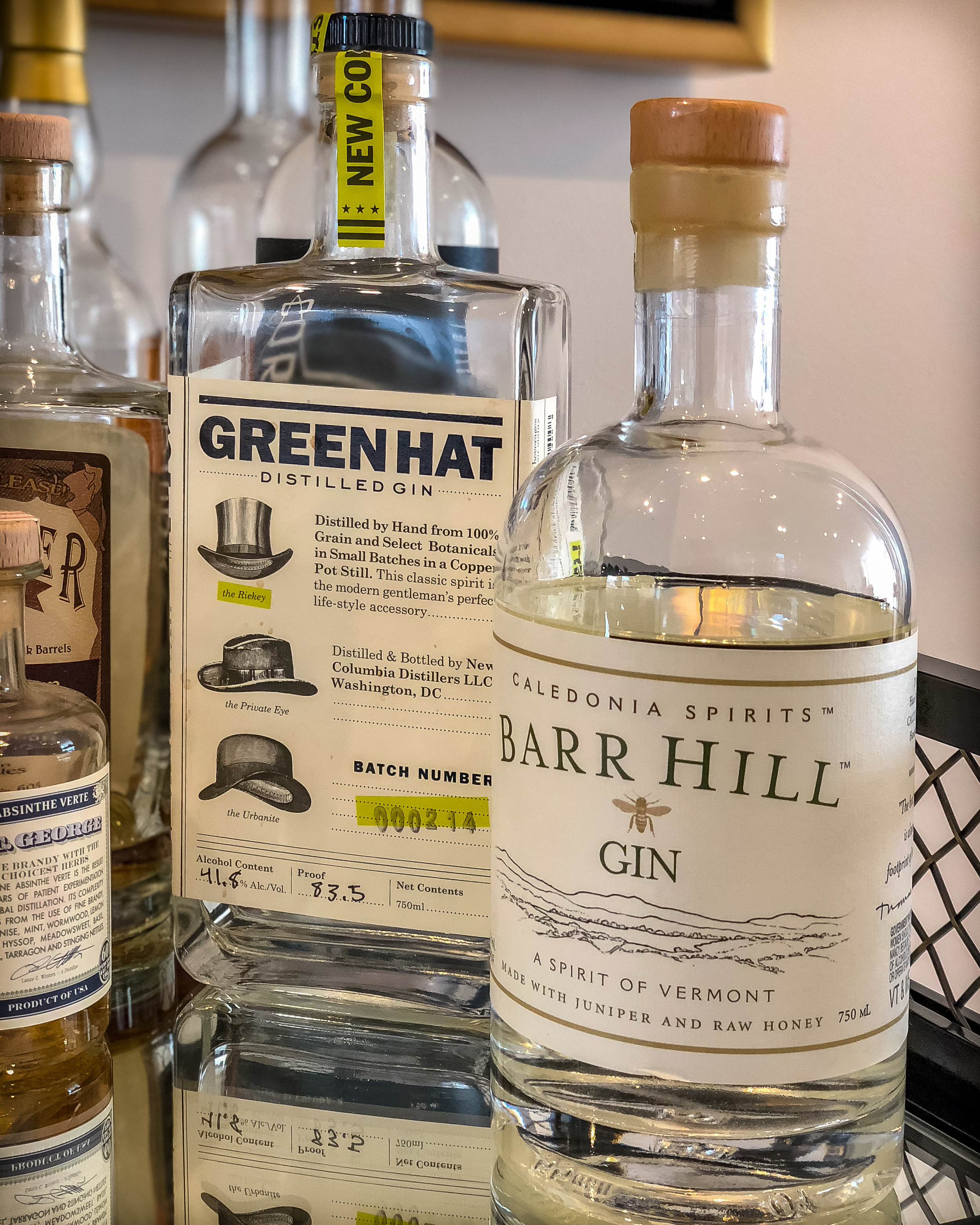
Green Hat Gin
Style: More Contemporary American
Michael Lowe and John Uselton started D.C.’s first craft distillery in 2011. Green Hat Gin, handmade from grain to glass, is the result of their hard work and attention to detail. Juniper is there, especially in the nose, but floral and citrus notes take center stage. This is a lovely, versatile gin. If you can find it, I recommend picking up a bottle. They make several varieties at New Columbia Distillers, including a Navy Strength, and I plan to try more over the summer. The Green Hat Gin website is also worth a visit, especially for the story of the man in the green hat.
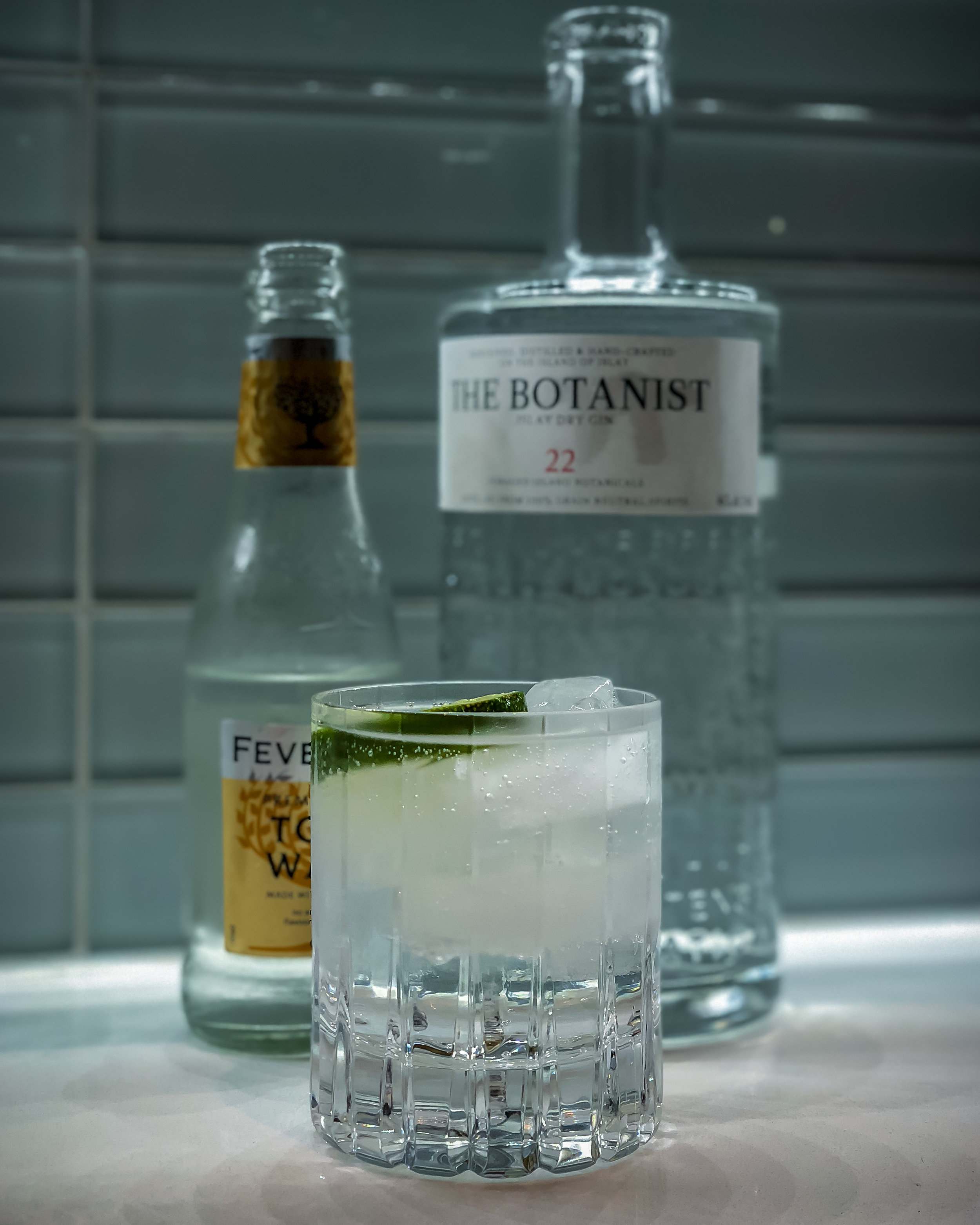
Botanist
Style Close to a Classic London Dry
Sticking with the theater theme, I think of the Botanist as the swing in this musical—the performer who can step into any role. The Botanist is just as versatile. I used it in every cocktail here. It wasn’t always my top pick, but it never let me down. The flavors are balanced, which is impressive given the long list of botanicals. There’s a lot going on, but it all works together. If you’re only going to keep one bottle of gin on your shelf, this is a strong candidate. It’s a bit harder to find, which adds a little snob appeal.
A note on ingredients
I have a simple rule for cooking: if you wouldn’t drink it, don’t cook with it. The idea that bad wine is somehow good enough for the pot is a mystery to me. It’s a bit like giving your kid a car you wouldn’t drive yourself. The weakest ingredient always sets the bar for the whole dish. Same goes for cocktails. That dusty bottle of bargain vermouth will do more to shape your martini than any fancy gin. And if you reach for juice from a plastic lemon or a packet of sour mix, you’ll undo all the good work of your expensive spirits. So, choose your ingredients with care. I’ve listed my favorites in the recipes ahead.
The cocktails
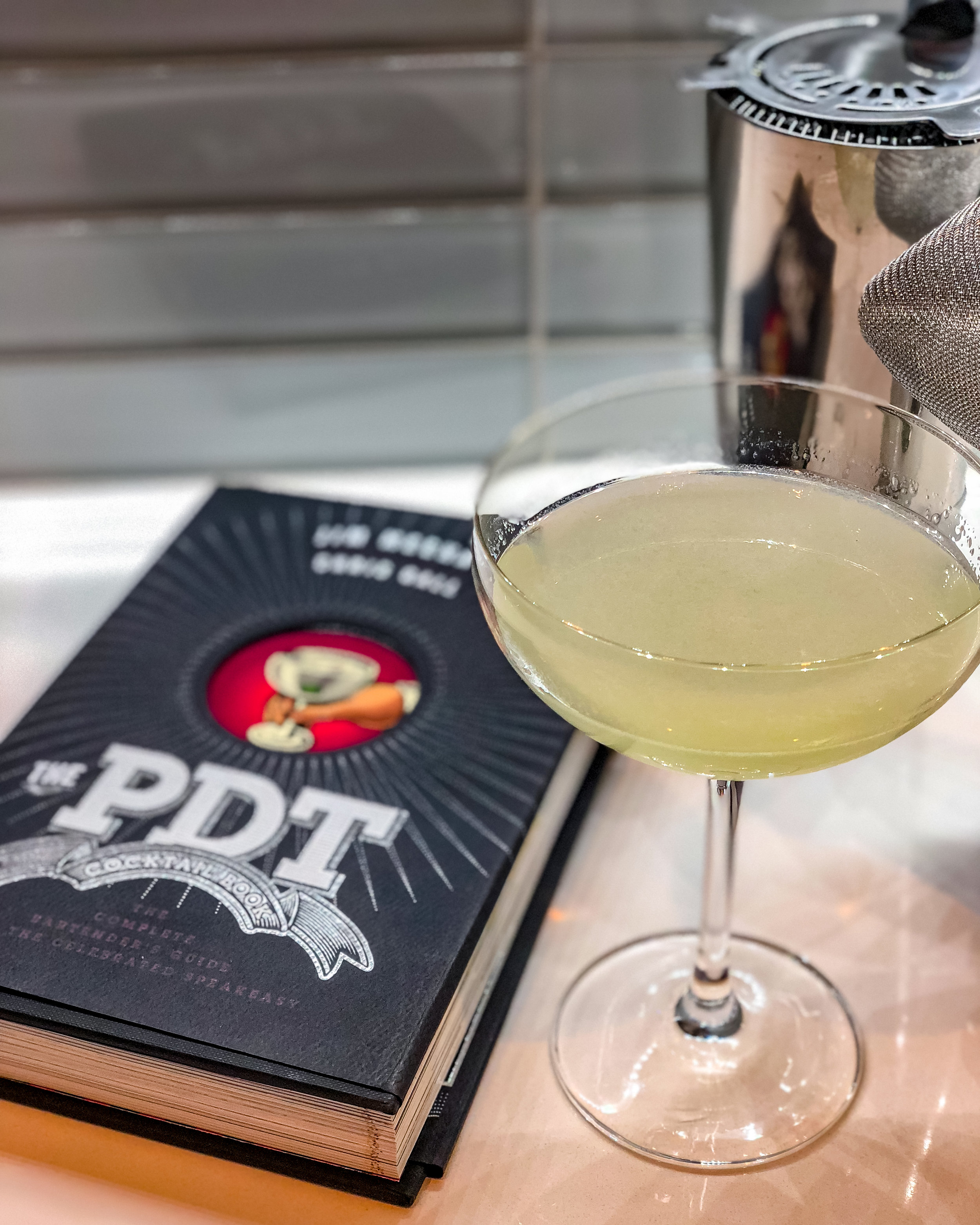
Last Word cocktail
This Prohibition-era cocktail can be traced back to the Detroit Athletic Club’s bar in the early 1920s. The last word is not only my favorite gin-based cocktail but likely my favorite cocktail period. The Chartreuse and gin deliver herbal and floral notes that play well with the citrus from the lime juice. These are lengthed and softened by the sweet and subtle maraschino liqueur. I find the Green Hat Gin the perfect choice for this cocktail.
- .75 oz Green Hat Gin
- .75 oz green Chartreuse
- .75 oz Luxardo Maraschino Liqueur
- .75 oz freshly squeezed lime juice
Shake with ice
Double strain into a chilled coupe glass
No garnish
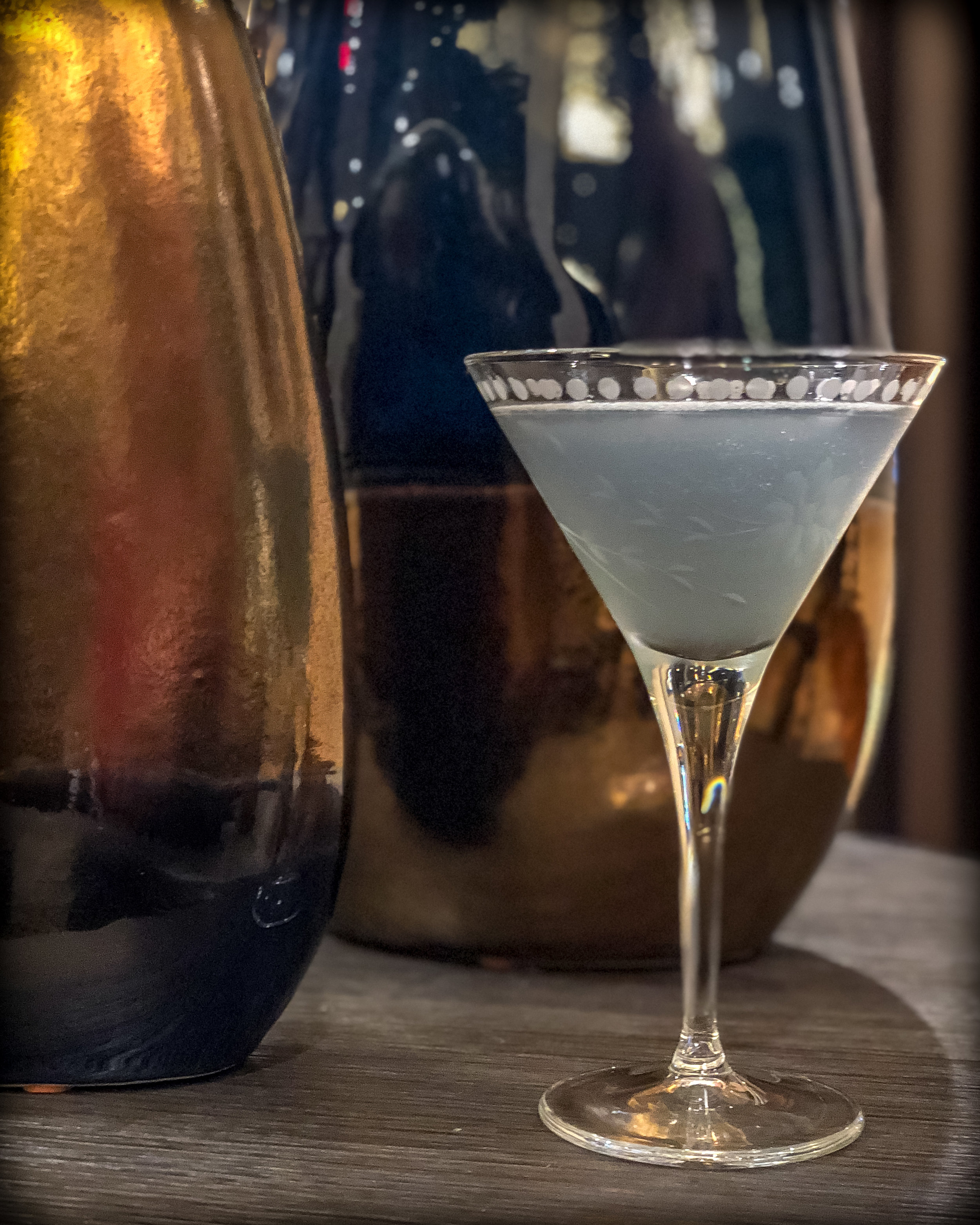
Aviation cocktail
I was at a bar, just finishing a Last Word. When asked what I wanted next, I said, “bartender’s choice, gin-based.” This beautiful violet cocktail appeared, and I’ve been hooked ever since. Lately, I’ve been making a lot of these. The other night I had a Last Word in one hand and an Aviation in the other, going back and forth asking myself, “which do I like better?” That’s the kind of dilemma I enjoy.
The first Aviation recipe showed up in Hugo Ensslin’s 1916 Recipes for Mixed Drinks. Gin, lemon juice, maraschino, and crème de violette—the last one is what gives the drink its signature color. For years, many recipes left out the crème de violette, probably because it’s not easy to find. These days, most guides put it back in, which is a win for both flavor and looks. My own history with the Aviation isn’t as storied as the drink’s, but if you want to read more about its past, here’s a good summary.
- 2 oz. Botanist Gin
- .75 oz. freshly squeezed lemon juice
- .5 oz. Luxardo Maraschino Liqueur
- .25 oz. Rothman & Winter Crème de Violette
Shake with ice
Double strain into a chilled coupe glass
No garnish

The Singapore Sling
The Singapore Sling is a classic that’s been reimagined so many times it’s hard to know what’s authentic anymore. Since this is my blog, I’ll just share my favorite version. The original was created by Ngiam Tong Boon at the Raffles Hotel in Singapore in the early 1900s. Some recipes add grenadine, pineapple juice, or sour mix and skip the Benedictine and bitters, which turns it into more of a college bar special than a proper cocktail. The version from Imbibe Magazine is light and refreshing. It works with any of the gins I mentioned, but I like it best with Botanist.
- 1 oz. Botanist Gin
- 1 oz. Rothman & Winter Orchard Cherry (alt. Cherry Heering)
- 1 oz. Bénédictine
- 1 oz. freshly squeezed lime juice
- 1 dash Angostura bitters
- Soda water
Shake the gin, cherry liqueur, Bénédictine, and lime juice with ice
Strain into a chilled collins glass
Fill with ice
Top with a dash of bitters and soda water
Garnish with a cherry and slice of orange or pineapple
A thick spiral of lime peel is also traditional
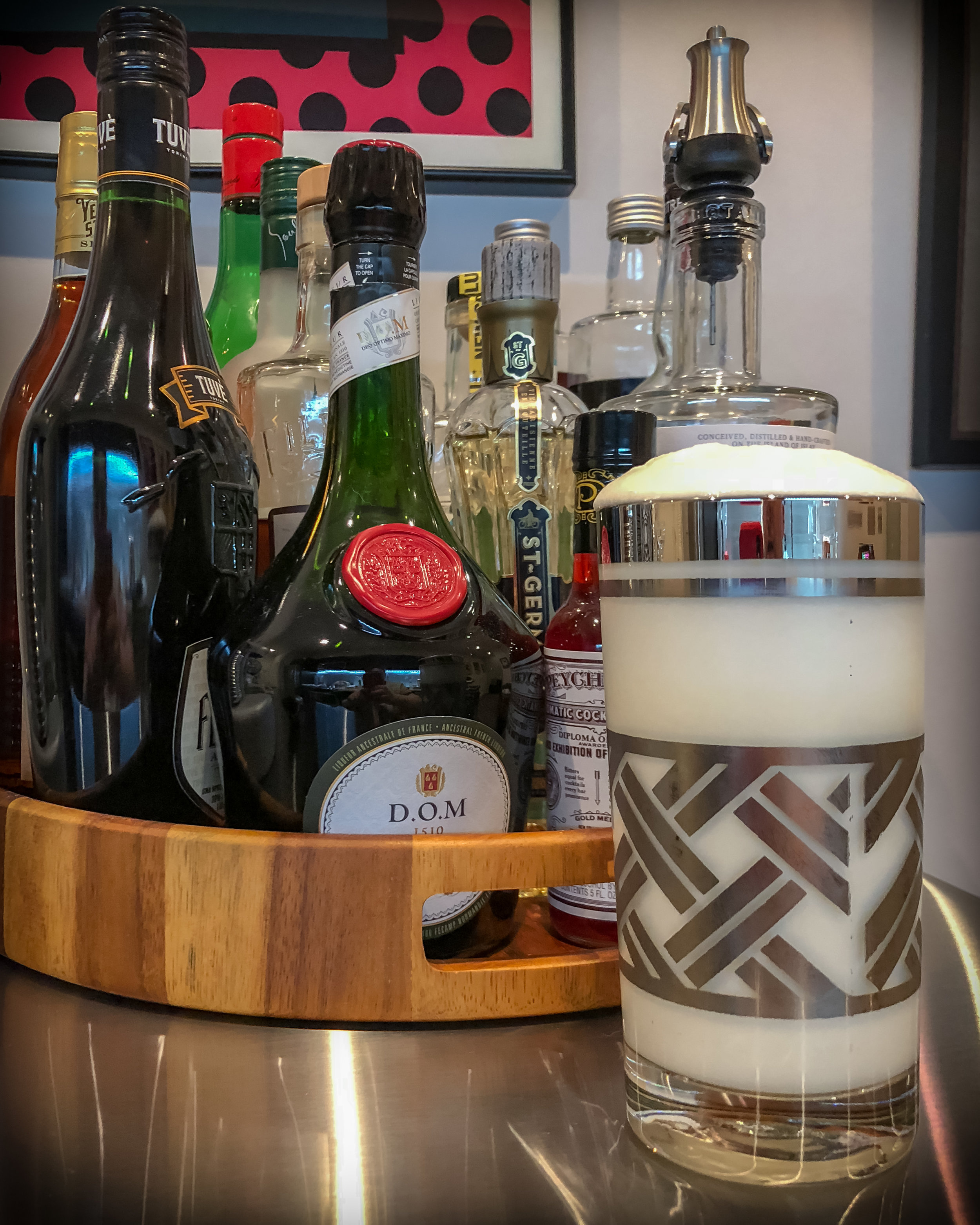
Ramos Gin Fizz cocktail
I heard about this drink on the Speakeasy podcast years ago and couldn’t wait to try one. The problem, of course, was that I didn’t want to ask any bartenders I liked to go through the trouble of making one for me! If you want to read a complete Ramos Gin Fizz history, Imbibe Magazine’s is great. Here’s my abridged version. The “New Orleans Fizz” was created by Henry C. Ramos at the Stag Saloon in the Late nineteenth century. It became so popular that it was renamed Ramos Gin Fizz after its creator. Legend has it that Mr. Ramos would have as many as a dozen “shaker boys” behind the bar just to make the drink. It was incredibly popular and some say it surpasses even the Sazerac as New Orleans’ most significant contribution to cocktail culture. History lesson complete, back to my story.
Sometime after hearing about the drink, I was recounting the story from the podcast with Sean, a favorite neighborhood bartender back in Vermont. This move had a surreptitious intent. Sean worked out a lot and seemed to enjoy flexing his enormous biceps during flamboyant cocktail shaking sessions. He was also a great craftsman, and I suspected that between his mixology skills and desire to show off his biceps to my date that evening I’d get a Ramos for sure. True to form he went to work on my cocktail! I’m happy to say that it isn’t that hard to make. Do it for yourself, or a date, but not at a big cocktail party (unless of course, you have a shaker crew at the ready).
- 2 oz. Barr Hill Gin
- .75 oz. heavy cream
- .75 oz. simple syrup
- .5 oz. freshly squeezed lime juice
- .5 oz. freshly squeezed lemon juice
- 5 drops orange blossom water
- 1 egg white (approximately 1 oz)
- Soda water
Dry-shake all the ingredients (except soda water) for approximately one minute.
Shake all the ingredients with ice for approximately one minute.
Double strain into a chilled collins glass.
Top with soda.
No garnish
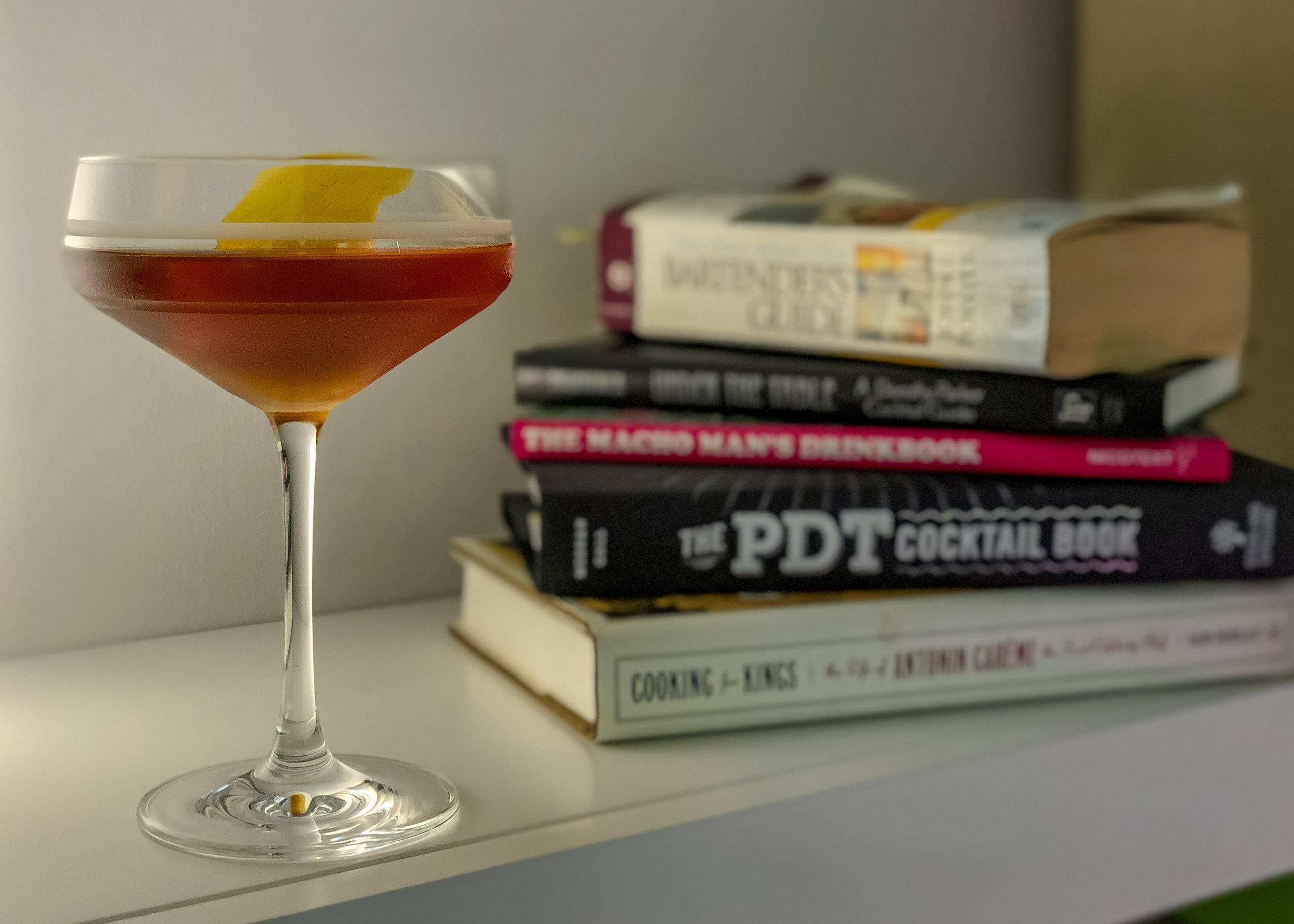
Martinez cocktail
You wouldn’t be wrong to call this a vermouth cocktail—there’s more vermouth than gin here. By that logic, maybe we should all be ordering “tonic and gin” instead of “gin and tonic.” I’ll let others argue about that. I just know I love this drink. The key is picking the right vermouth, since it sets the tone for the whole cocktail. Good vermouth should be drinkable on its own, and I recommend finding a bar with a big selection and tasting a few. My favorite is del Professore. Both the sweet and dry are excellent, though the labels are confusing—the sweet has a greenish label, the dry is red. Paired with Barr Hill Gin, you get a magical, boozy Martinez. Most recipes call for an Old Tom style gin, so Barr Hill fits right in. The Martinez is a great winter gin cocktail and a nice stand-in for a Sazerac or Manhattan. Try one and let me know what you think. For more on the Martinez or vermouth, I’ll let the folks at Imbibe and Newsweek fill you in.
- 2 oz. del Professore Vermouth Rosso all’uso Torino
- 1 oz. Barr Hill Gin
- 1 tsp. Luxardo Maraschino Liqueur
- 2 dashes Boker’s Bitters
Combine ingredients in a mixing glass with ice
Stir
Strain into a chilled coupe
Garnish with a lemon twist
Final thoughts
While finishing up this article, my neighbor and her boyfriend knocked on the door. He’s a successful restaurateur in the area, and she’s a talented florist. I was excited to make them cocktails. As I type these final words—three hours and nine drinks later—I’m reminded why I write this blog. Food and drink connect people. Serving a thoughtful cocktail in a beautiful glass is my way of saying, “welcome to my home.” Cocktails get conversation flowing and set the stage for good company. This works in a bar, but it’s even better when you do it yourself. I hope you’ll enjoy these recipes with your friends. Let me know what you think, send pictures, and if you have suggestions, I’m always ready to hear them.
Happy Drinking!
P.
Acknowledgments
I wish I could thank all the bartenders who have taught and inspired me over the years. Finding a great local bartender and liquor store makes all the difference when you’re exploring the world of cocktails. On the visual side, I want to thank Victoria and Carolyn at The Hour on King Street in Alexandria, Virginia. Their shop specializes in vintage cocktail glasses and accessories. It’s a magical place, and I look forward to working with them as this project continues. It’s definitely time for a Gin & Tonic!
References
Gin resources & articles
- Find a Gin — A guide to gin styles and reviews from The GIN Is IN website. Read “Find a Gin” on The GIN Is IN
- Green Hat Gin — Distillery info directly from the producer’s site, including their Distillers page. Visit Green Hat Gin distillers info
Imbibe Magazine cocktail references
- The Martinez Gets Its Groove Back — A cocktail history and context article on Imbibe Magazine (classic Martinez focus). Read “The Martinez Gets Its Groove Back” on Imbibe Magazine
- Ramos Gin Fizz — Recipe and classic description from Imbibe Magazine. Read “Ramos Gin Fizz” on Imbibe Magazine
- Singapore Sling — Classic recipe and context on Imbibe Magazine’s site. (Direct page likely found via search on Imbibe’s site or the original URL you had.)
Books (with purchase links)
- The PDT Cocktail Book by Jim Meehan & Chris Gall — A well-loved cocktail reference with 300+ recipes from the legendary PDT bar. Available on Amazon. Buy The PDT Cocktail Book on Amazon
- The New American Bartender’s Guide by John J. Poister — A comprehensive bartender handbook originally published in 1999; classic cocktails and techniques inside. Available on Amazon. Buy The New American Bartender’s Guide on Amazon